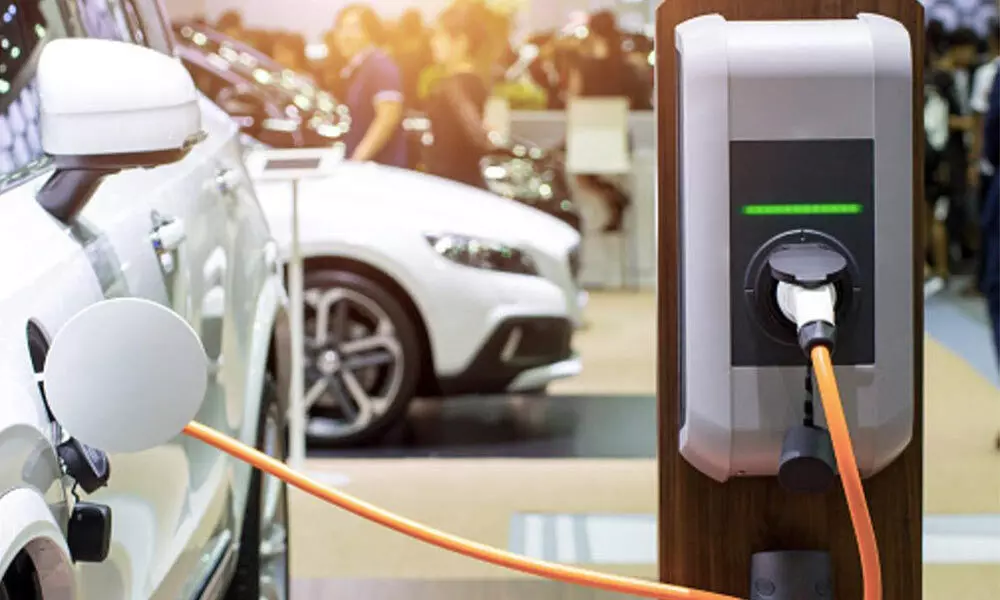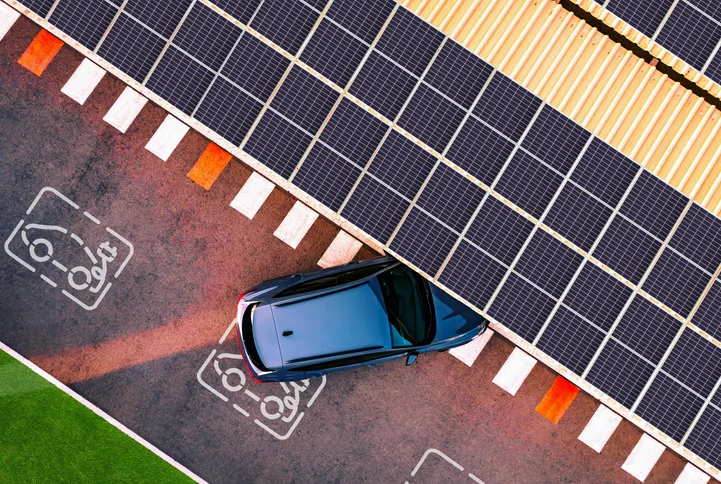
Electric vehicle (EV) ownership is rapidly increasing across Thane and Mumbai, but many housing societies still struggle to provide residents with safe and legally compliant EV charging facilities. Common challenges include uncertainty about approvals, inadequate electrical infrastructure, disputes over electricity billing, and confusion regarding separate EV meters.
The solution is Society EV Meter Installation in Thane, combined with a professionally designed EV charging infrastructure that complies with local electricity regulations and DISCOM requirements. By installing dedicated EV meters and following the correct approval process, housing societies can provide convenient charging facilities while ensuring safety, transparent billing, and future-ready infrastructure.
Society EV Meter Installation in Thane involves installing a dedicated electricity meter for EV charging within residential housing societies. The process includes load assessment, electrical infrastructure upgrades (if required), DISCOM approvals, meter installation, and EV charger commissioning. Dedicated EV meters ensure accurate billing, legal compliance, electrical safety, and efficient energy management.
Table of Contents
- Why Housing Societies Need EV Charging Infrastructure
- What is Society EV Meter Installation in Thane?
- Is EV Charging Legal in Housing Societies?
- Government Guidelines for EV Charging
- Benefits of Installing a Dedicated EV Meter
- Types of EV Meter Installations
- Step-by-Step Installation Process
- Documents Required
- Electrical Infrastructure Requirements
- Cost Factors
- Common Challenges
- Society EV Meter vs Shared Electricity Connection
- Expert Tips
- Quick Facts
- Myth vs Fact
- Why Choose Galvanic Engineers?
- FAQs
- Conclusion
Why Housing Societies Need EV Charging Infrastructure
The adoption of electric vehicles is accelerating in Thane and Mumbai, making charging infrastructure an essential amenity rather than a luxury.
Many societies face challenges such as:
- Residents requesting private EV charging points
- Disputes over electricity billing
- Insufficient transformer capacity
- Lack of dedicated parking chargers
- Safety concerns due to improper wiring
- Confusion regarding legal approvals
Installing dedicated EV meters addresses these issues while preparing societies for future demand.
What is Society EV Meter Installation in Thane?
Society EV Meter Installation in Thane refers to installing a dedicated electricity meter exclusively for EV charging within residential housing societies.
Unlike drawing electricity from common-area connections, a dedicated EV meter:
- Measures EV charging consumption separately
- Enables transparent billing
- Supports higher electrical loads
- Complies with DISCOM regulations
- Enhances safety and accountability
This setup is ideal for apartment complexes, gated communities, cooperative housing societies, and residential towers.
Is EV Charging Legal in Housing Societies?
Yes. EV charging is permitted in housing societies, provided installations comply with the applicable regulations, safety standards, and utility requirements.
Key considerations include:
- Society approval (where applicable)
- Compliance with electrical safety norms
- DISCOM approval for new or upgraded connections
- Proper earthing and circuit protection
- Installation by qualified electrical professionals
Following the prescribed process helps avoid electrical hazards and billing disputes.
Government Guidelines Supporting EV Charging
The Government of India and state authorities have introduced policies encouraging EV adoption by promoting charging infrastructure in residential and commercial buildings.
These initiatives support:
- Dedicated EV charging points
- Separate electricity metering
- Expansion of charging infrastructure
- Safe electrical installations
- Sustainable urban mobility
Housing societies are increasingly encouraged to facilitate EV charging while ensuring compliance with electricity distribution company (DISCOM) guidelines.
Benefits of Society EV Meter Installation in Thane
1. Accurate Electricity Billing
Separate metering ensures that only the EV owner pays for charging consumption, eliminating disputes over common electricity usage.
2. Improved Electrical Safety
Dedicated wiring, protection devices, and proper installation reduce the risk of overloads, short circuits, and electrical accidents.
3. Legal Compliance
Professional installation helps meet utility and regulatory requirements, ensuring smooth approvals and long-term reliability.
4. Future-Ready Infrastructure
As EV adoption grows, societies with dedicated charging infrastructure are better equipped to support increasing demand.
5. Increased Property Value
Modern residential communities offering EV charging facilities are often viewed as more attractive to buyers and tenants.
6. Better Energy Management
Dedicated EV meters provide clear insights into electricity consumption, enabling efficient monitoring and cost management.
Types of EV Meter Installations
| Installation Type | Suitable For |
| Individual EV Meter | Single apartment owners |
| Common Society EV Meter | Shared charging facilities |
| Dedicated Three-Phase EV Meter | High-capacity charging requirements |
| Smart EV Meter | Real-time monitoring and digital billing |
| Commercial EV Meter | Offices and mixed-use developments |
Society EV Meter Installation Process
Professional Society EV Meter Installation in Thane generally involves the following steps:
Step 1: Site Inspection
Engineers assess:
- Existing electrical infrastructure
- Parking location
- Available electrical load
- Meter placement
- Distribution panel
Step 2: Load Assessment
The electrical load is evaluated to determine whether upgrades are required to support EV charging.
Step 3: Society & Utility Coordination
Necessary permissions and utility requirements are reviewed before installation.
Step 4: Electrical Infrastructure Preparation
This may include:
- Dedicated cabling
- Circuit breakers
- Earthing
- Distribution board modifications
Step 5: EV Meter Installation
A dedicated EV electricity meter is installed according to applicable standards.
Step 6: Charger Installation
The EV charger is connected, tested, and commissioned.
Step 7: Final Inspection
Engineers verify:
- Meter functionality
- Charger operation
- Safety compliance
- Electrical protection systems
Documents Required
Depending on the project and utility requirements, documents may include:
- Aadhaar Card
- PAN Card
- Latest electricity bill
- Consumer number
- Parking allocation proof
- Society permission (where applicable)
- Property ownership documents
- Application forms required by the electricity distribution company
Electrical Infrastructure Requirements
Before installing EV charging systems, engineers typically evaluate:
- Existing electrical load
- Transformer capacity
- Main distribution panel
- Cable sizing
- Earthing quality
- Circuit protection
- Available meter space
A professional assessment helps ensure reliable and safe operation.
Factors Affecting Installation Cost
The overall investment depends on several factors, including:
- Type of EV charger
- Meter type
- Distance between meter and parking space
- Electrical load upgrades
- Cabling requirements
- Civil work
- Utility approvals
- Safety equipment
- Smart monitoring features
A site inspection provides the most accurate estimate based on the property’s requirements.
Society EV Meter vs Shared Electricity Connection
| Feature | Dedicated EV Meter | Shared Society Connection |
| Billing | Individual | Shared |
| Transparency | High | Limited |
| Legal Compliance | Better | Depends on setup |
| Energy Monitoring | Yes | No |
| Scalability | Excellent | Limited |
| Future Expansion | Easy | Difficult |
Common Challenges During Installation
Housing societies may encounter:
- Limited transformer capacity
- Parking layout constraints
- Old electrical infrastructure
- Lack of dedicated electrical panels
- Delays in approvals
- Meter location challenges
Working with experienced professionals helps address these issues efficiently.
Expert Tips Before Installing an EV Meter
✔ Conduct a professional electrical load assessment.
✔ Choose BIS-compliant equipment and quality components.
✔ Ensure proper earthing and surge protection.
✔ Plan for future EV adoption within the society.
✔ Work with experienced electrical utility professionals.
✔ Maintain complete documentation for approvals and future maintenance.
Quick Facts
| Topic | Details |
| Installation Time | Depends on site conditions and approvals |
| Suitable For | Housing societies, apartments, residential towers |
| Meter Type | Single-phase or three-phase, based on load |
| Billing | Separate EV electricity consumption |
| Safety | Dedicated electrical protection |
| Future Expansion | Easily scalable |
Myth vs Fact
| Myth | Fact |
| EV charging is illegal in housing societies. | It is permitted when installed in compliance with applicable regulations and safety standards. |
| Common-area electricity should always be used. | Dedicated EV metering provides transparent and accurate billing. |
| EV charging overloads every society. | Proper load assessment and infrastructure planning help ensure safe operation. |
| Installing an EV meter is overly complicated. | With experienced professionals, the process is structured and manageable. |
| EV charging is only for luxury apartments. | Housing societies of various sizes can adopt EV charging infrastructure. |
Why Choose Galvanic Engineers?
When it comes to Society EV Meter Installation in Thane, choosing an experienced electrical utility partner ensures safety, compliance, and long-term reliability.
Galvanic Engineers offers:
- End-to-end EV meter installation
- Electrical load assessment
- DISCOM coordination and utility support
- Electrical liaisoning services
- Safe and standards-compliant installations
- Residential and commercial expertise
- EV charging infrastructure planning
- Experienced electrical professionals
- Timely project execution across Thane and Mumbai
- Reliable after-installation support
Whether your housing society needs a single EV meter or a scalable charging infrastructure, Galvanic Engineers provides tailored solutions designed for today’s needs and tomorrow’s growth.
Conclusion
As electric vehicle ownership continues to rise, Society EV Meter Installation in Thane has become an essential step for housing societies aiming to provide safe, transparent, and legally compliant charging facilities. Dedicated EV meters simplify billing, improve electrical safety, support future expansion, and enhance the overall value of residential communities.
For societies planning to install EV charging infrastructure in Thane or Mumbai, partnering with an experienced electrical utility specialist ensures a smooth process—from load assessment and utility coordination to meter installation and commissioning.
Contact Galvanic Engineers
Ready to install a dedicated EV meter or develop EV charging infrastructure for your housing society? Galvanic Engineers offers end-to-end solutions, including electrical utility services, EV meter installation, electrical liaisoning, DISCOM coordination, and compliant EV charging infrastructure across Thane and Mumbai. Contact our team today to schedule a site assessment and build a future-ready charging ecosystem.
Frequently Asked Questions
1. What is Society EV Meter Installation in Thane?
It involves installing a dedicated electricity meter for EV charging within a housing society, enabling separate billing, improved safety, and compliance with utility requirements.
2. Is a separate EV meter mandatory?
In many situations, a dedicated meter is recommended to ensure accurate billing, transparent electricity usage, and easier management. Requirements may vary depending on the electricity distribution company and project.
3. Can an existing society electrical system support EV charging?
It depends on the available electrical load and infrastructure. A professional site inspection determines whether upgrades are required.
4. How long does EV meter installation take?
Installation timelines vary based on approvals, infrastructure readiness, and project complexity. Once approvals are in place, installation is generally completed efficiently by qualified professionals.
5. Can multiple residents use the same charging infrastructure?
Yes. Housing societies can install shared charging stations with appropriate billing and access management systems.
6. What approvals are generally required?
Depending on the project, approvals may involve the housing society, the electricity distribution company (DISCOM), and compliance with applicable electrical safety standards.
7. Why should I choose Galvanic Engineers?
Galvanic Engineers provides complete EV charging infrastructure solutions, including electrical assessments, utility coordination, EV meter installation, liaisoning services, and safe, compliant execution throughout Thane and Mumbai.